
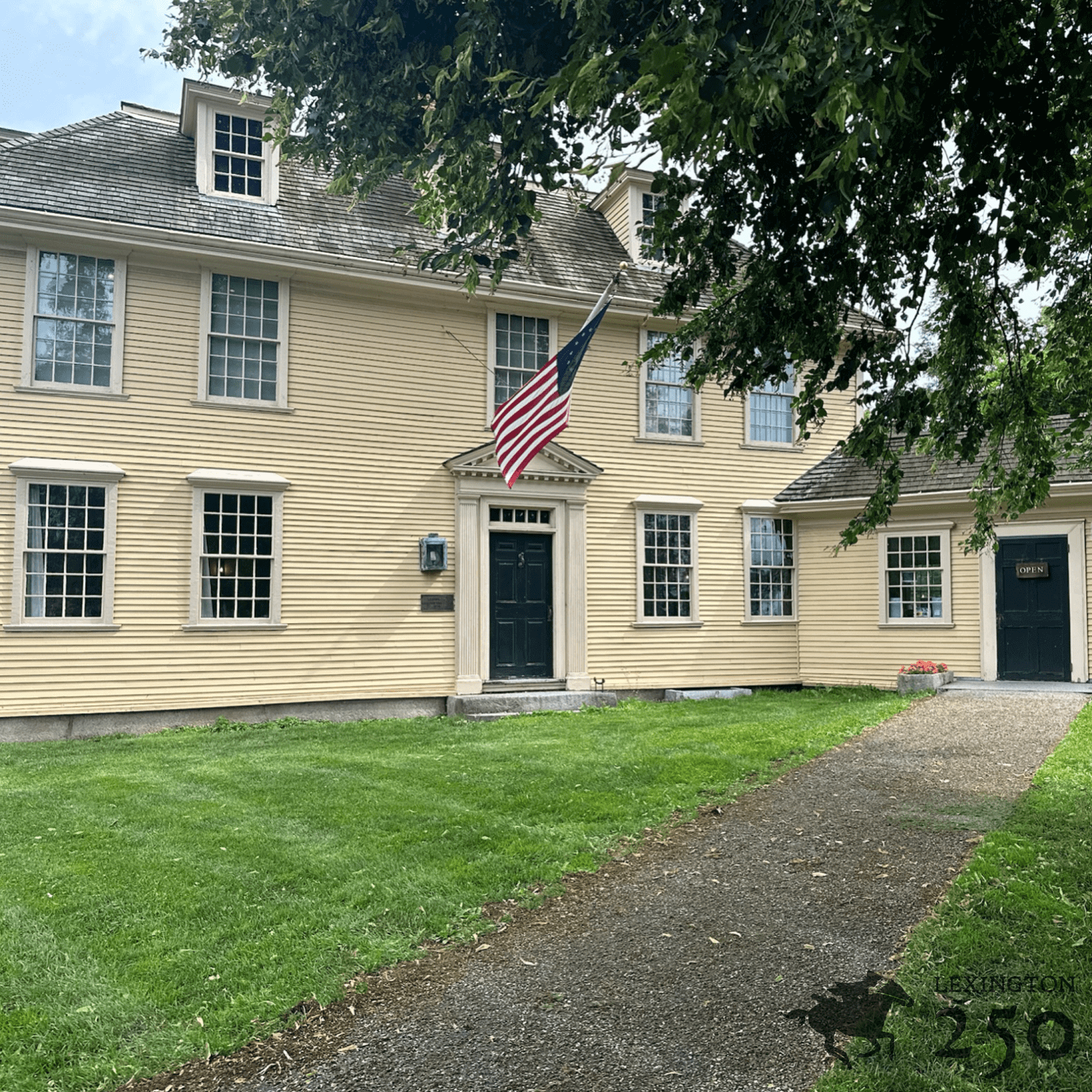
A directory of things to do in Lexington
- Minuteman Statue
- Battle Green
- The Belfry
- Lexington Depot
- Old Burying Ground
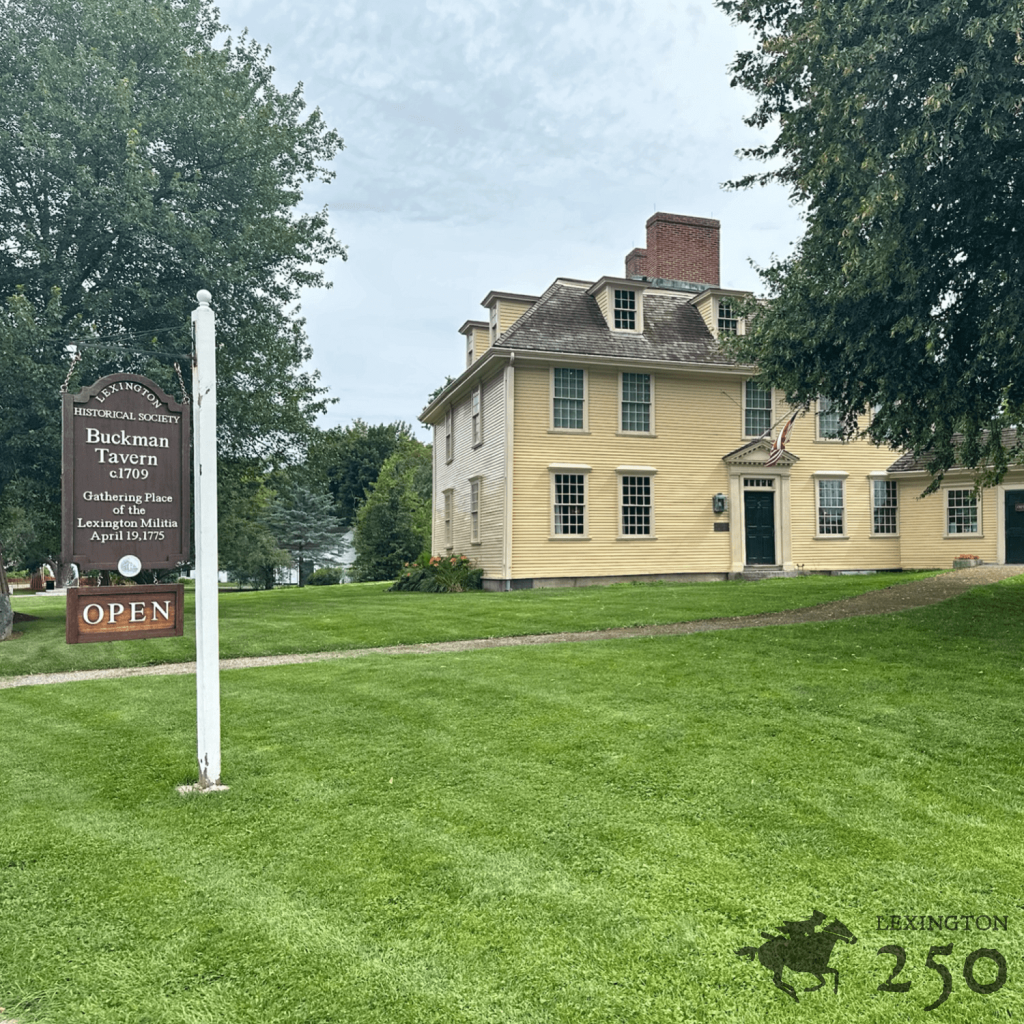
- Buckman Tavern
- Munroe Tavern
- Hancock-Clarke House
- Liberty Ride Trolley Tour

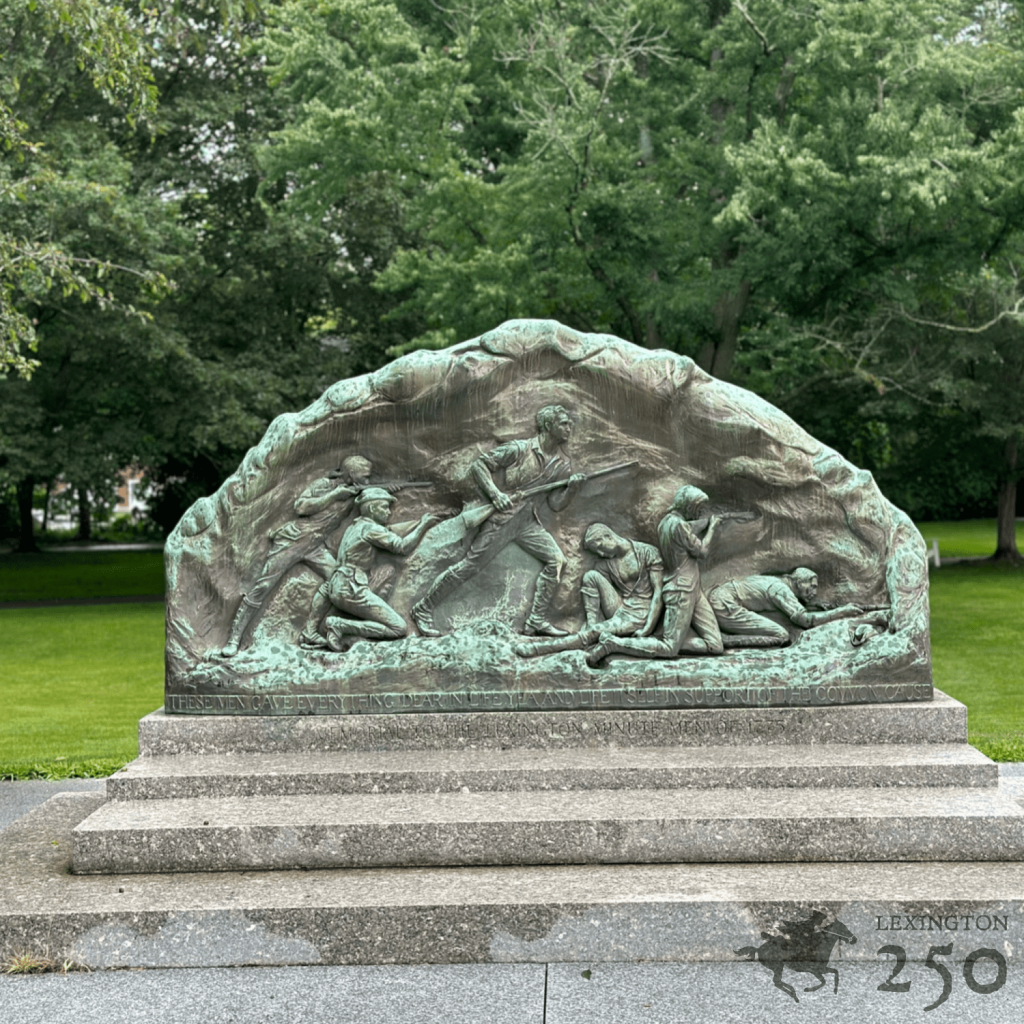







The Minuteman Statue in Lexington, Massachusetts, is a significant memorial that commemorates the heroics of the Lexington militia during the early stages of the American Revolution. Erected in 1900 and sculpted by local artist Henry H. Kitson, the statue stands as a tribute to the brave Minutemen who played a crucial role in the fight for American independence. It is prominently located at the southeast corner of the Lexington Battle Green, facing the route of the British advance, making it a focal point of Lexington’s annual April 19th celebrations.
The statue depicts a colonial farmer with a musket, traditionally believed to represent Captain John Parker, the leader of the Lexington militia on April 19, 1775, during the Battle of Lexington. This battle marked the beginning of the Revolutionary War. The life-size bronze figure is set atop a native fieldstone base, symbolizing the strength of the colonial resistance. Various men, including Medford resident Arthur Mather, served as models for the Minuteman, illustrating the collective spirit of those who stood against British forces.
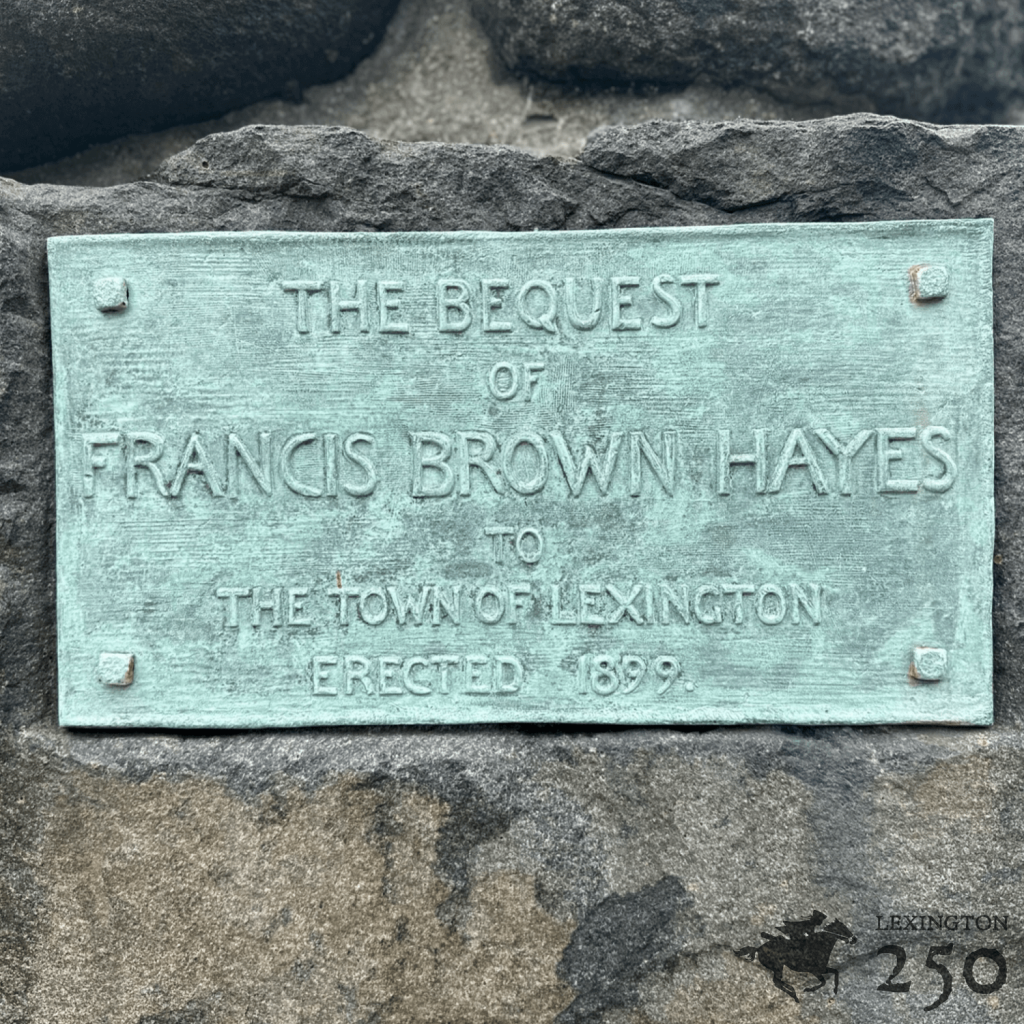
Funded by a $10,000 bequest from Francis Brown Hayes, a prominent New England lawyer and businessman, the statue also originally served as a drinking fountain for people and their animals, integrating a practical utility with its commemorative purpose. The unveiling of the statue on April 19, 1900, marked the 125th anniversary of the historic first battle of the American Revolution, further cementing its role as a symbol of American liberty and the sacrifices made by the Minutemen.
The Minuteman Statue in Lexington, MA, not only memorializes a pivotal moment in American history but also serves as a reminder of the courage and resolve of those who fought for the nation’s independence. Its presence on the Lexington Battle Green continues to inspire visitors with the legacy of the Minutemen and their significant contribution to the founding of the United States.
The Lexington Battle Green, also known as Lexington Common, is a historic site located in Lexington, Massachusetts, and is renowned as the location where the first shots of the American Revolution were fired on April 19, 1775. This event marked the beginning of the Battles of Lexington and Concord, pivotal moments in American history that ignited the struggle for independence from British Historical Significance
The Battle Green serves as a national shrine and a symbol of the American fight for liberty. Here, local militiamen, emerging from the nearby Buckman Tavern, faced British troops in the early hours of April 19, 1775. The confrontation led to the first casualties of the American Revolution, with several militiamen losing their lives. The site is not only a reminder of the sacrifices made for freedom but also a place where the ideals that shaped the nation were born.
Preservation and Commemoration
Recognized for its historical importance, the Lexington Battle Green was designated a National Historic Landmark in 1961 and added to the National Register of Historic Places in 1966. The area is meticulously preserved and serves both as a public park and a memorial to the events of April 19, 1775. It hosts various monuments and memorials, including the Revolutionary War Monument, the oldest war memorial in the United States, erected in 1799 to honor the eight men who died during the battle.
Modern-Day Significance
Today, the Battle Green is a place of reflection and education, where visitors can learn about the early struggles for American independence. It is managed by the Lexington Select Board and is a venue for ceremonies, reenactments, and other events that commemorate the battle and celebrate the nation’s history. The flag on the Battle Green is authorized to be flown 24 hours a day, year-round, symbolizing the enduring spirit of American liberty.
Events and Activities
The Battle of Lexington is commemorated annually on Patriots’ Day, the third Monday in April, with various events including reenactments, parades, and ceremonies that pay tribute to the patriots who fought and fell on Lexington Green. Additionally, the Lexington Battle Green offers guided tours where visitors can explore the site with costumed guides, learning about the notable sites and historic houses surrounding the Green.
The Lexington Battle Green is a vital piece of American history, serving as a testament to the courage and sacrifice of those who fought for independence. It remains a place of education, commemoration, and inspiration, drawing visitors from around the world to honor the birthplace of American liberty.
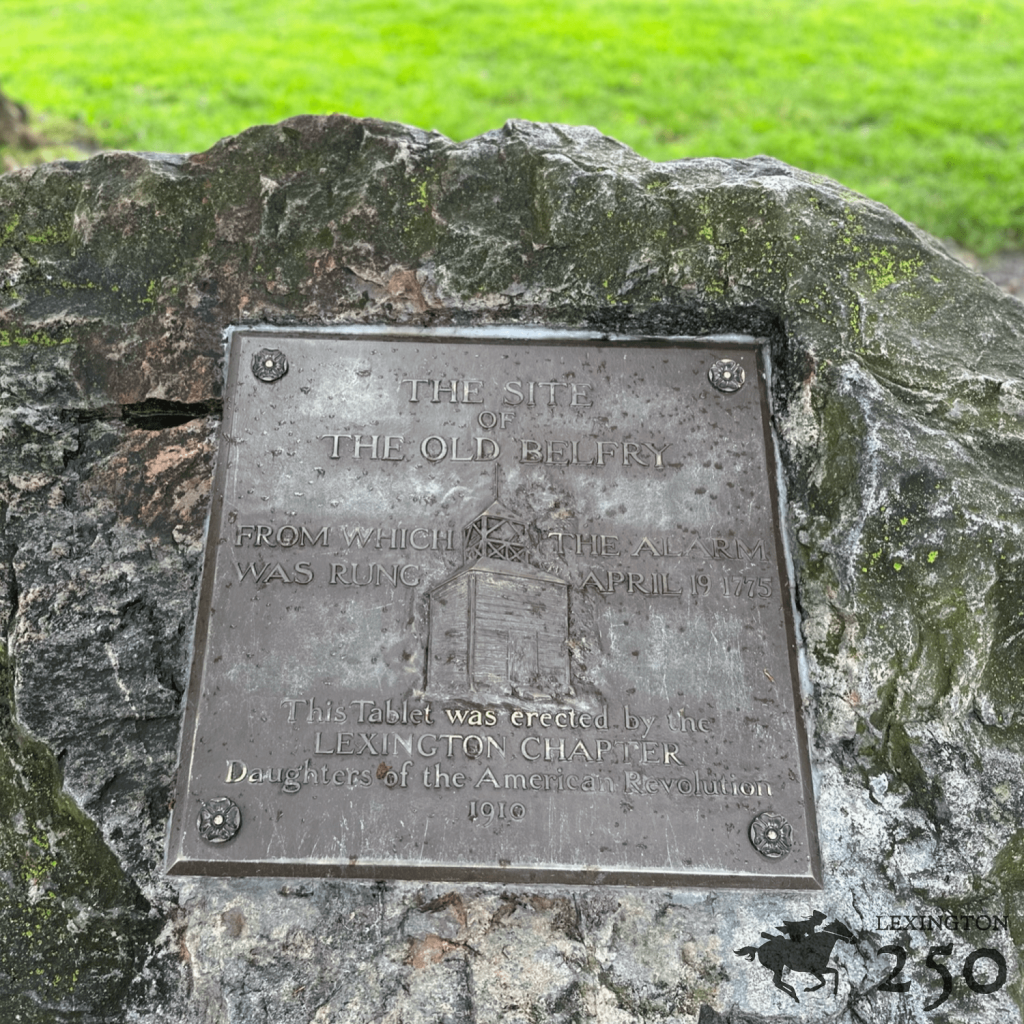
The Old Belfry is a historic structure with significant ties to the American Revolutionary War. Originally built in 1762 on what is now known as Belfry Hill, the belfry was moved to Lexington Common in 1768. It played a pivotal role on April 19, 1775, when it was used to sound the alarm that alerted the Lexington militia to the arrival of British Redcoats. This event marked the beginning of the American Revolution.
The belfry’s bell summoned people to worship, warned them of danger, and tolled for their deaths. It was from this belfry that Captain John Parker assembled the Lexington militia on the green in 1775, following the warnings from alarm riders Paul Revere and William Dawes.
The original structure was destroyed by a hurricane in 1909, but the Lexington Historical Society erected a replica the following year. The current belfry houses a 19th-century bell, and the original bell tongue is now stored at the Hancock–Clarke House. The bell was replaced again in March 1964, donated by William Maloney, and had previously hung in Wilmington Methodist Church.
The Old Belfry is located on Clarke Street and is externally viewable year-round. It still tolls every Patriots’ Day morning, continuing its centuries-old tradition. The belfry has also lent its name to a social club and has been moved several times throughout its history, reflecting its importance and the community’s efforts to preserve it.
Today, the Old Belfry stands near the Lexington Battle Green as a reproduction of the original, serving as a symbol of American independence and a reminder of the events that unfolded on that historic morning in April 1775.
Lexington Depot, located at 13 Depot Square is a historic building with a rich past and an active present. The station opened in 1846 as part of the Lexington and West Cambridge Railroad and later became part of the Massachusetts Bay Transportation Authority (MBTA) Commuter Rail system. It served as an active train station until 1977 when its temporary closure after a major snowstorm became permanent.
The Depot building was once the social center and ceremonial heart of Lexington, with as many as nineteen trains stopping there each day transporting passengers to and from Boston. Today, the Lexington Depot houses the Lexington Historical Society’s offices and is a venue for meetings, receptions, and celebrations. It is also available for rent, with a maximum capacity for a standing reception of 110 individuals and seating for up to 75 people comfortably for a sit-down meal or about 90 people seated.
The Depot is located in the very center of town, making it both highly visible and accessible. It is one of only two station buildings to remain standing along the Lexington Branch; the other is the branch’s former terminus at Bedford Depot. The Minuteman Bikeway, a popular recreational trail, runs through the former train shed adjacent to the former station platforms.
The Lexington Historical Society has plans to transform the Depot into a creatively flexible space where they will connect the past to contemporary issues and ideas. The transformation project aims to make the Depot an epicenter for history education, serving not only Lexington but the nation. The Depot is also used as a venue for various events, including film screenings and historical lectures.
In terms of accessibility, the Depot is wheelchair accessible and has restrooms on-site. It is open from 10:00 AM to 4:00 PM from Sunday to Saturday.
The Old Burying Ground in Lexington, Massachusetts, is the town’s oldest cemetery, with the earliest graves dating back to 1690. It is located at the corner of Harrington Road and Massachusetts Avenue, just across from the Battle Green. This cemetery is significant for containing the graves of many early Lexington settlers and individuals who played roles in the Revolutionary War and the Civil War.
One of the oldest graves in the cemetery belongs to Isaac Ston, who died on December 10, 1690, at the age of 31. The cemetery was expanded in 1747 and again in 1811, and it remained the town’s only burying ground until 1831 when Munroe Cemetery was opened. The Old Burying Ground also has connections to the Battle of Lexington, as the eight men killed on the Green were originally buried there but were later re-interred on the Battle Green near a monument erected in 1799. A British soldier who was wounded in the battle and later died is also buried in the cemetery.
The Old Burying Ground is a place of historical significance, not only for its ties to early American history but also as a reflection of changing attitudes towards death and memorialization over the centuries. The gravestones and epitaphs provide insights into the lives and deaths of the people buried there, and the cemetery is a valuable resource for those interested in genealogy and the history of Lexington.
For those interested in visiting, the cemetery is externally viewable year-round, and there are tours available that cover the history of the site and its notable inhabitants. The Lexington Historical Society offers educational programs and walking tours of the Old Burying Ground, providing an opportunity to learn about the symbolism of the gravestones and the stories of the people interred there.
Buckman Tavern is a historic site located in Lexington, Massachusetts, associated with the first battle of the American Revolutionary War, the Battle of Lexington and Concord in 1775. Built around 1709-1710 by Benjamin Muzzey, it served as a gathering place for both locals and travelers, and was the site of many important town meetings.
On the early morning of April 19, 1775, Captain Parker and his militia gathered in this tavern to await the oncoming British Redcoat troops. The tavern is located on the Battle Green in Lexington, the site where the American Revolutionary War began.
The tavern’s interior appears today very much as it did in 1775, offering visitors a glimpse into the past. Among the many items on display is the old front door, with its bullet hole possibly made by a British musket ball during the battle, and a portrait of John Buckman. The tavern also housed the first village store in Lexington, and later, in 1813, the first town post office.
Today, Buckman Tavern is operated as a museum by the Lexington Historical Society. The upstairs of the tavern contains galleries for rotating, special temporary exhibitions. The tavern is open daily, with operating hours typically from 9:30 AM to 4:00 PM. It offers self-guided audio tours, available in multiple languages including Spanish, French, Italian, German, Hebrew, Mandarin, and Japanese.
The tavern was declared a National Historic Landmark in 1961, recognizing its significant role in American history. It continues to be a place of interest for those keen on understanding the roots of American independence.
Munroe Tavern, located at 1332 Massachusetts Avenue, Lexington, Massachusetts, is a significant site from the American Revolutionary War. Built in 1735, it played a prominent role in the Battle of Lexington and Concord. On April 19, 1775, the tavern was commandeered by the British Redcoat troops during their retreat back to Boston. The tavern served as the headquarters for Colonel Hugh, Earl Percy, and his one thousand reinforcements. The British occupied the tavern for one and a half hours, during which time the dining room was converted into a field hospital for the wounded.
The tavern was owned by William Munroe, who was the orderly sergeant of Captain John Parker’s militia company. Munroe was the proprietor of the tavern until 1827. The tavern was also a meeting spot for colonials on April 18, 1775, one day before the outbreak of the battle.
In 1789, President George Washington dined at Munroe Tavern during his visit to Lexington, further cementing the tavern’s place in American history. Today, the tavern is preserved and operated as a museum by the Lexington Historical Society. The museum exhibits highlight the role and perspective of the British soldiers during the Revolutionary War. Visitors can also see the room where President Washington dined.
The tavern is also known for its gardens. Since 1984, the Lexington Field & Garden Club has been maintaining the Garden of Colonial Flowers, the Wildflower Native Plant Garden, and Rose Garden at Munroe Tavern. These gardens contain flowers that were typically grown in the 18th Century, a large collection of spring-blooming plants, and roses that were brought from Europe and Asia generations ago.
The tavern is part of the Lexington Historical Society’s mission to be the premier interpreter of the events of April 1775, and the faithful steward of all of the town’s history through time. The tavern is open for tours, and the Lexington Historical Society welcomes volunteers.
The Hancock-Clarke House is a historic house located in Lexington, Massachusetts. It was built in 1737 and served as the parsonage for the town of Lexington during the 18th century. The house is associated with John Hancock, a statesman and Founding Father who lived in the house during his childhood years. It is the only extant residence associated with John Hancock that is open to the public.
The house is notable for its role in the events leading up to the American Revolution. On the night of April 18, 1775, John Hancock and Samuel Adams, leaders of the colonial cause, were guests at the house. They were warned by Paul Revere and William Dawes of the approaching British forces, allowing them to escape and avoid capture.
The house consists of two parts erected at different times. The smaller one-and-a-half-story gambrel-roofed framed ell contained a common living room or kitchen. The main or front part of the house, a two-and-a-half-story frame structure with a large central chimney and two rooms on each of the two floors, was added in 1734.
The Hancock-Clarke House is now operated as a museum by the Lexington Historical Society. It is open to the public for tours, with an admission fee charged. The house was designated a National Historic Landmark in 1971. The museum also hosts exhibitions related to the enslaved individuals who lived and worked at the site, including an introductory exhibit highlighting the stories of Jack and Dinah, two individuals enslaved by the Hancock Family.
The house is located at 36 Hancock Street, Lexington, Massachusetts. The house is open for tours starting in mid-April and daily from May 30 to October 31. The admission fee for adults is $14.00 and for children is $8.00.
The Liberty Ride Trolley Tour is a captivating 90-minute guided journey through the historic towns of Lexington and Concord, Massachusetts. This tour offers a unique opportunity to explore the birthplaces of American independence, where the first battles of the American Revolution took place in April 1775.
This tour is an excellent way for visitors to immerse themselves in the pivotal history of the American Revolution, offering a blend of education and entertainment through the eyes of those who lived through these historic events.
Key Features of the Liberty Ride Trolley Tour:
- Guided Narration: The tour is led by an entertaining and knowledgeable guide dressed in authentic period attire, providing insights into the rich history of the area and life in Colonial America.
- Historic Sites: Passengers on the Liberty Ride will see numerous historic sites and attractions in both Lexington and Concord, including the famous Battle Green in Lexington, where the militia faced British forces in 1775.
- Accessibility: The Liberty Ride is wheelchair accessible, ensuring that everyone can enjoy this historical experience. Those requiring wheelchair or walker accessibility are advised to contact in advance to confirm availability.
- Tour Duration: The tour lasts approximately 90 minutes, with guests remaining on the trolley for the duration of the trip, except for a 15-minute stop at the North Bridge in Concord.
- Meeting Point: The tour starts and ends at the Lexington Visitors Center, located at 1875 Massachusetts Avenue in Lexington.
- Seasonal Operation: The Liberty Ride operates seasonally, so it’s advisable to check the current schedule and availability before planning your visit.
Additional Information:
Not Hop-On Hop-Off: It’s important to note that the Liberty Ride is a guided narrated tour and not a hop-on hop-off trolley service. Guests are expected to stay on the trolley for the entire duration of the tour.
Tickets: The Liberty Ride is included on the All-Inclusive Pass for Boston attractions but is not available with the Explorer Pass.