

Historic Homes of Lexington: The Stories Behind the Town’s Most Famous Buildings
Lexington, Massachusetts, isn’t just known for its role in the American Revolution; it’s also home to some of the most well-preserved historic houses in the country. These buildings—steeped in history and legend—provide a glimpse into the lives of the people who witnessed America’s earliest struggles for independence. For anyone curious about historic homes of Lexington, Massachusetts or here’s a tour of Lexington’s most iconic houses, each with its own unique story.
1. Hancock-Clarke House: The Warning Heard Around the World
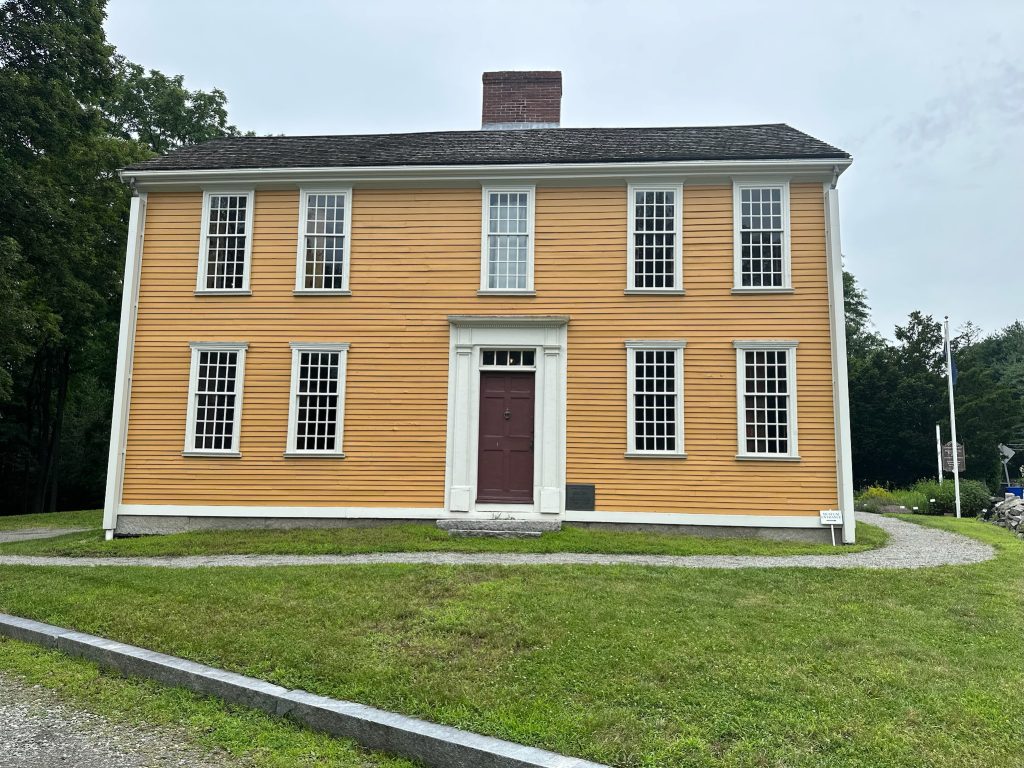
One of Lexington’s most treasured historic homes, the Hancock-Clarke House is famous as the site where Paul Revere warned John Hancock and Samuel Adams of the approaching British soldiers on the night of April 18, 1775. Originally built in 1737, this house belonged to Reverend John Hancock, grandfather of the Declaration of Independence signer.
The house’s preservation is a testament to Lexington’s commitment to keeping history alive. After Elizabeth Clarke passed away, the house was sold to a private owner, who did not take care of the house. She even moved it across the street. Finally, in 1896, the Lexington Historical Society bought the home to preserve the history. Then in 1974, right before the bicentennial, it was moved back to it’s original location where it stands today!
Visitors can step inside to see period furniture, portraits, and artifacts that bring to life the events of that fateful night. Guided tours take visitors through the rooms where Hancock and Adams likely slept, providing a close look at one of the most critical moments leading up to the Revolutionary War.
2. Buckman Tavern: A Gathering Place for Patriots

Just steps from Lexington Green, Buckman Tavern was the town’s casual gathering place where local militia members awaited the arrival of British troops on the morning of April 19, 1775. This pre-Revolutionary tavern has been meticulously preserved, allowing visitors to explore the very space where Captain Parker and his men prepared for the first shots of the Revolution.
Inside, you’ll find an impressive collection of Revolutionary War-era artifacts and personal belongings from Lexington’s residents. The taproom, with its low ceilings and original bar, offers a window into what tavern life would have been like in 1775. For those looking to tour historic houses in Lexington, Buckman Tavern offers a truly immersive experience with others who share tales of Lexington’s revolutionary resilience.
Fun Fact: There’s a musket ball hole in the front door—believed to have been made during the skirmish—serving as a haunting reminder of the conflict that erupted right outside.
Another Fun Fact: We’ve created many 21st century nicknames for Buckman Tavern. Such as the APT (this was a ✨traditional✨ colonial game), Da Clerb, and our personal favorite, the Pink Pony Club.
3. Munroe Tavern: British Headquarters and Hospital
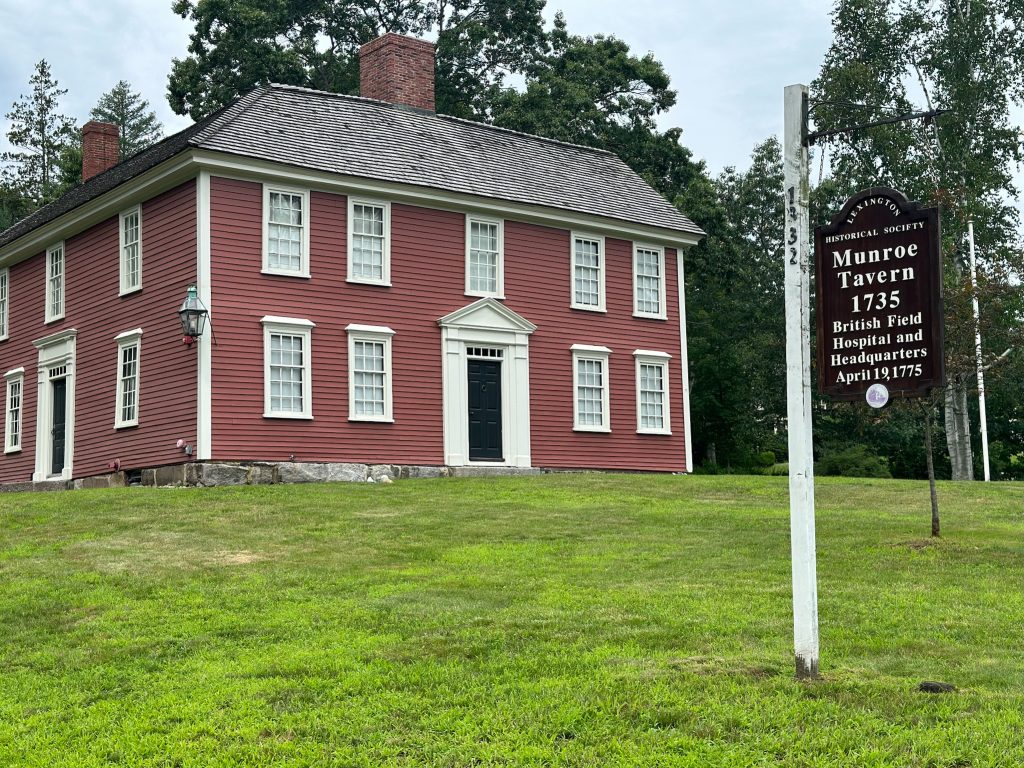
Munroe Tavern served as the British field headquarters and a makeshift field hospital on April 19, 1775, after the intense battle at Lexington. Owned by William Munroe, a sergeant in the Lexington militia, the tavern became the scene of British occupation when soldiers commandeered it during their retreat. The redcoats left their mark on this house, which bears artifacts and even bloodstains that recall their brief, tense stay.
Today, Munroe Tavern functions as both a museum and a tribute to the lesser-known side of the Revolutionary story—the British perspective. Exhibits here explore the experiences of British soldiers as well as Lexington’s residents, adding depth to the town’s historic narrative. The tours and displays make it a vital stop for anyone interested in “Colonial homes Lexington history” or seeking a more nuanced view of April 19.
This is has been a famous house for a very long time. In fact, George Washington dined at Munroe Tavern during his 1789 visit to Lexington. This historic connection adds another layer to the already fascinating story of this iconic building. There’s a chair upstairs where he sat, and the small children would sit in it and have to tell the truth! Munroe Tavern is also home to the Lexington Historical Society’s archives, which is a place we love!
Fun Fact: The Hayward Pump’s home is currently at Munroe Tavern. The story goes that there was a regular and a milita man, and the regular said, “You’re a dead man,” and the militiaman replied, “so are you.” And they both shot each other, and this pump was a witness to this essential event.
4. The Private Homes Around the Green
A lesser-known gem, the 1710 Munroe House is one of Lexington’s oldest homes and was owned by five generations of the Munroe family. Though still a private residence, it’s a reminder of Lexington’s early colonial life and the ordinary citizens who found themselves part of extraordinary events. This house, like others in Lexington, survived turbulent times and witnessed the town’s transformation from colonial village to the birthplace of American independence.
While the 1710 Munroe House isn’t open to the public, its enduring presence adds to the town’s historic landscape. Many of Lexington’s private residences date back to the 18th century and showcase the architectural features that define colonial homes, from clapboard siding to classic Georgian windows. These homes are often featured in walking tours and community events, allowing glimpses into Lexington’s storied past. All the houses around the green have been carefully preserved, down to the paint color, to mimic what the town looked like in 1775.
5. Lexington’s Mid-Century Modern Homes

While Lexington is best known for its colonial-era homes, the town also boasts fine examples of mid-century modern architecture, reflecting a later period of American innovation in home design. Emerging in the post-World War II era, mid-century modern homes became popular for their clean lines, open floor plans, and integration with nature. These homes symbolize a shift in American architecture toward simplicity, functionality, and harmony with the landscape, ideals that matched the optimism and progressive spirit of the mid-20th century. With large windows, minimal ornamentation, and a focus on indoor-outdoor living, mid-century modern houses helped redefine American residential architecture, moving away from traditional styles in favor of something fresh and forward-looking. In Lexington, these homes provide a contrast to the town’s colonial landmarks, adding layers to the story of American architectural evolution and preserving a piece of 20th-century design history within this otherwise historic town. Such neighborhoods include Five Fields, Turning Mill, Six Moon Farm, Peacock Hill, and other smaller roads with similar designs.
6. Follen Church

Follen Church, built in 1839 in the Gothic Revival style, stands as a testament to Lexington’s rich history of social justice and abolitionism. Founded by Charles Follen, a Unitarian minister and fervent abolitionist, the church quickly became a hub for abolitionist activity in Lexington. Though not directly connected to the Revolutionary War, Follen Church holds a unique place in the town’s history, embodying its ongoing commitment to freedom and reform into the 19th century. Visitors are encouraged to admire the striking architecture while reflecting on the church’s legacy as a beacon of social reform and justice. Including in 1834-35, Ralph Waldo Emersen was the reverend there.
7. The Depot

The Depot, originally constructed in 1846, is a landmark of Lexington’s transportation and economic history. Serving as a bustling railroad station in the 19th century, the Depot was instrumental in connecting Lexington to surrounding towns and fostering local trade and travel. Though trains no longer run through Lexington, the Depot remains a well-preserved piece of the town’s heritage, symbolizing a period of growth and connectivity. Today, visitors can explore this historic site, appreciating its architectural charm and its role in shaping Lexington’s development.
Why Lexington’s Historic Homes Matter
Lexington’s historic homes are more than architectural treasures—they are living chapters of the American story. Each house captures a piece of the past, showing how ordinary spaces became extraordinary when history called. These buildings, meticulously preserved by local organizations and dedicated individuals, allow visitors to walk through time and experience the atmosphere of 18th-century life in a way that textbooks simply can’t convey.
These spaces remind us that Lexington’s residents, whether famous like Hancock and Adams or ordinary citizens like the Munroe family, all contributed to the creation of a nation built on courage, community, and a commitment to freedom.
So next time you’re in Lexington, take a stroll, visit these historic homes, and let their stories unfold. They’re more than just buildings—they’re witnesses to the very beginning of America’s journey.

Sabrina Bhattacharjya
I love your site Sabrina!
I’m happy you resisted adults trying to ride on your coattails in the city of Lexington.
I look forward to seeing what you create in your future career. 💙
Your massive success will be due to the irresistible spark in your eye and authentic love for your subject matter, and desire to educate and serve others. Bravo young lady!
Julia Linn
Artist, professor, bodybuilder 😊 age 68
Hi Sabrina – love your site!
Would also love to connect about a Lexington home / building / hall that changed the world. The Ellen Stone Building. It’s right next to Follen Church (pictured in this post). Most people in town know it as the old East Branch Library. Long before it was a library it was one of the earliest Lyceums in the country. It has so many buried stories that need to be told.
Sincerely,
Mark